
Fat transfer swelling is a normal part of recovery after cosmetic surgery, but changes in your appearance can sometimes cause concern. The amount of swelling, how long it lasts, and how it affects your results depend on the areas treated, the surgical technique, and your body's healing response. Understanding what to expect can help you follow your aftercare instructions and recognize when a symptom requires medical attention.
Whether you are considering fat transfer for body contouring or recovering from a Brazilian Butt Lift (BBL), knowing how inflammation develops is an important part of preparing for surgery.
Why does fat transfer swelling occur?
Fat transfer involves removing fat from one area of the body through liposuction and injecting it into another area to improve volume or contour. Both the donor and recipient sites experience tissue manipulation, triggering an inflammatory response as the body begins to heal.
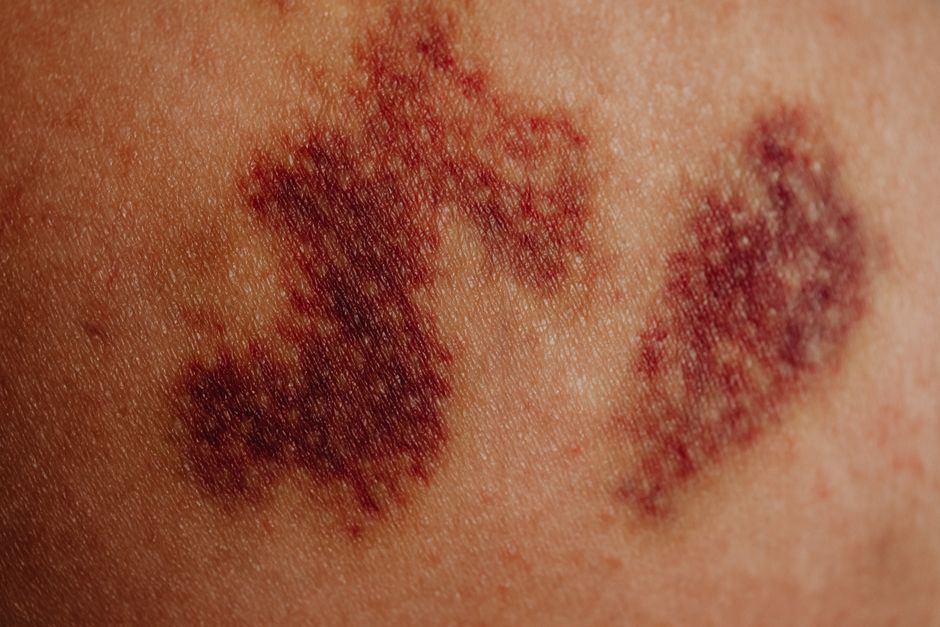
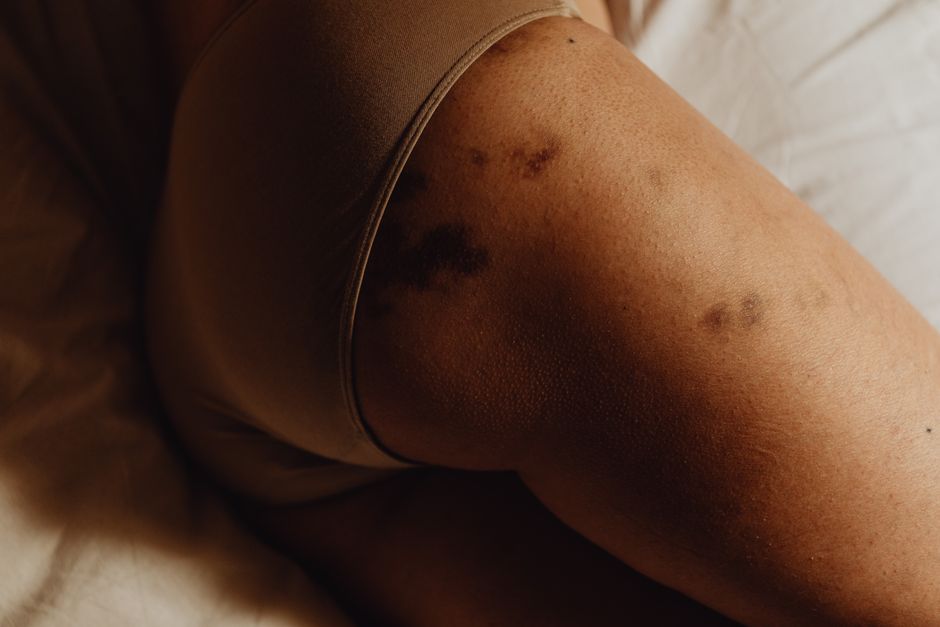
This response can cause temporary swelling, bruising, tenderness, and tightness. Fluid may accumulate around the treated tissues, making the areas appear fuller or feel firmer than expected.
Although fat transfer swelling can make the initial results look different from what you anticipated, it does not automatically indicate a complication. Swelling is part of the healing process, and the early appearance of the treated areas should not be considered the final outcome.
What is a typical recovery timeline?
Swelling often becomes more noticeable during the first several days after surgery. It may then gradually decrease over the following weeks, although the timeline varies from person to person. Bruising and tenderness can improve at different rates, and subtle changes in contour may continue as the tissues heal.
After a BBL, the buttocks may initially appear fuller because of the combination of transferred fat and postoperative inflammation. As healing progresses, some transferred fat is naturally reabsorbed by the body, while the remaining fat develops its blood supply.
Your surgeon can explain what changes are expected based on your procedure and individual circumstances. Avoid judging your final results too early or comparing your progress with someone else's recovery.
Factors that influence fat transfer swelling and healing
Several factors can affect how your body responds after surgery. These include the amount of fat removed and transferred, the areas treated, your general health, medications, activity level, and adherence to postoperative instructions.
Swelling can also fluctuate throughout the day or become more noticeable after certain activities. However, sudden increases, worsening discomfort, or significant differences between treated areas should not automatically be dismissed as normal.
Because fat transfer swelling varies with the procedure and the individual, your surgeon's guidance should take priority over general recovery timelines found online.
How to manage fat transfer swelling safely
There is no universal home remedy that eliminates inflammation immediately. The safest approach is to follow your surgical team's recommendations while allowing your body sufficient time to recover.
Follow your surgeon's aftercare instructions
Your surgeon should provide specific directions for wound care, medication, movement, positioning, and follow-up appointments. These recommendations may differ depending on whether fat was transferred to the buttocks, breasts, face, or another area.
Contact your medical team if you are uncertain about an instruction. Advice intended for another procedure may not be appropriate for your recovery.
Rest and position yourself correctly
Adequate rest supports recovery, but your positioning matters too. Following a BBL, your surgeon may recommend avoiding direct pressure on the buttocks for a specific period to protect the treated area.
Ask how you should sit, sleep, and move around your home. Do not improvise with cushions, positioning devices, or prolonged periods in a particular position without confirming that they are appropriate for your procedure.
Stay hydrated and eat balanced meals
Drinking fluids as recommended and eating balanced meals can support general healing. Include protein sources, fruits, vegetables, and other nutrient-rich foods unless your medical team has provided different dietary instructions.
These habits contribute to overall recovery, but they do not guarantee that inflammation will disappear faster. Be cautious of restrictive diets or supplements marketed as quick solutions.
Return to activity gradually
Walking may be encouraged soon after surgery to support circulation and reduce the risks associated with prolonged inactivity. However, strenuous workouts, heavy lifting, and movements that strain treated areas should wait until your surgeon clears you.
Increasing activity too quickly can worsen discomfort and interfere with healing. Follow your personalized timeline rather than relying on a fixed number of days to resume exercise.
Ask before using compression, ice, or medication
Compression garments may be recommended for liposuction donor areas, but applying pressure to a fat transfer recipient site may be inappropriate. Similarly, ice packs, heating pads, pain relievers, and other treatments should only be used according to your surgeon's instructions.
Do not change prescribed medication or introduce supplements without medical approval. Some products can affect bleeding, interact with medication, or complicate recovery.
Caring for donor and recipient areas
The areas where fat is removed and transferred have different healing requirements. The donor site may feel bruised, firm, or tender, while the recipient area may look fuller or temporarily uneven.
Protect incisions and treated tissue
Follow the instructions you received for bathing, dressing changes, and keeping incisions clean. Avoid applying creams, oils, or antiseptics unless your surgical team recommends them.
Choose comfortable clothing that does not rub against incisions or place unnecessary pressure on treated areas. If your surgeon gives you specific instructions about sitting or sleeping, ask how long you should follow them.
Fat transfer swelling may look different across the donor and recipient sites because the tissues have undergone different procedures. Comparing the two areas is not a reliable way to determine whether healing is progressing normally.
What should you avoid during recovery?
Certain habits and unapproved treatments can interfere with healing. Smoking and nicotine can impair circulation and increase the risk of wound-healing problems. Alcohol may interact with medications or conflict with postoperative instructions, so ask your surgeon when it is appropriate to resume drinking.
Avoid unapproved supplements, herbal remedies, and treatments advertised to eliminate swelling. Do not massage, knead, or apply pressure to transferred fat unless your surgeon specifically instructs you to do so.
Although fat transfer swelling can be frustrating, trying to force it to disappear through aggressive massage, excessive exercise, or unverified treatments may create additional problems. Patience and consistent aftercare are safer than attempting to accelerate the process yourself.
When should you contact your surgeon?
Some swelling is expected, but certain symptoms require prompt evaluation. Contact your surgical team if you notice rapidly increasing swelling, worsening pain, spreading redness, unusual warmth, fever, concerning drainage, or an incision that begins to open.
Seek emergency medical attention for chest pain, severe shortness of breath, fainting, or other sudden and serious symptoms. These signs should never be attributed to routine recovery without medical assessment.
During follow-up appointments, ask how your healing compares with the expected timeline, which activities you should avoid, and whether your positioning or compression instructions need to change. Keeping brief notes about pain, swelling, bruising, and other changes can also help you describe your progress accurately.
Remember that photographs taken under consistent lighting may help document changes, but day-to-day comparisons cannot establish whether a complication is present.
Choose your BBL surgeon with recovery in mind
Understanding how to manage postoperative changes is important, but preparation begins before surgery. Choosing a qualified plastic surgeon, discussing your medical history, understanding the proposed technique, and knowing what follow-up care is available can help you make a more informed decision.
If you are considering a BBL in Tijuana, Lotus Med Group offers patients an opportunity to discuss their body-contouring goals and receive an individualized surgical evaluation. Dr. Campos León, a certified plastic surgeon, can assess your anatomy, explain the procedure's potential benefits and risks, and discuss the recovery requirements relevant to your case.
Choosing Lotus Med Group means having the opportunity to discuss your concerns directly with a qualified surgical professional and understand the care involved before making a decision. Rather than focusing exclusively on the anticipated contour, ask about safety protocols, postoperative monitoring, and how the team supports patients throughout recovery.
Ultimately, fat transfer swelling generally improves gradually, and the healing process is not always linear. Following your surgeon's instructions, protecting treated areas, attending follow-up appointments, and seeking medical advice when symptoms concern you can help you navigate recovery with more confidence and realistic expectations.