

The journey into motherhood is one of the most profound transformations a woman can experience, reshaping daily routines, priorities, and physical well-being. Following the process of carrying and delivering a child, many women find themselves navigating an unexpected array of post pregnancy body changes. While societal narratives often promote rapid, unrealistic timelines for bouncing back, the biological reality of postpartum recovery is gradual, multi-layered, and deeply individual.
Understanding these shifts is an essential step toward navigating motherhood with patience and confidence. Whether you are dealing with separated core muscles, shifting skin texture, or persistent hormonal adjustments, learning the reality behind post pregnancy body changes allows you to separate normal physiological healing from structural concerns that may require specialized care.
What triggers post pregnancy body changes?
The human body performs extraordinary biomechanical adaptations to support fetal development across nine months. Maternal blood volume expands significantly, joints soften under the influence of relaxin, and internal organs shift upward and outward as the uterus expands. Once childbirth takes place, the body enters a prolonged transitional phase where multiple physical systems must slowly recalibrate.
When medical professionals evaluate post pregnancy body changes, they examine a complex combination of endocrine, muscular, and connective tissue factors:
- Endocrine fluctuations: The abrupt detachment of the placenta triggers an immediate drop in circulating estrogen and progesterone, directly impacting fluid retention, energy levels, and metabolic pace.
- Tissue distension and elastic strain: Connective tissues rich in collagen and elastin experience severe stretching, which frequently alters tissue elasticity across the midsection, hips, and chest.
- Musculoskeletal realignment: The forward shift in center of gravity during pregnancy alters spinal curvature, pelvic posture, and abdominal stability, requiring careful rehabilitation.
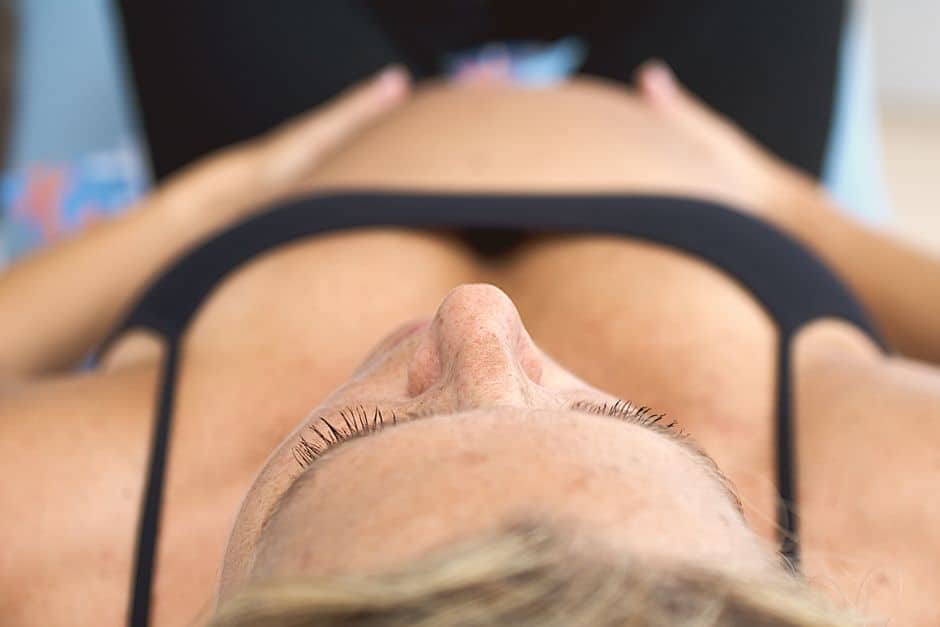
Recognizing how these internal mechanisms interact makes it easier to process the wide range of post pregnancy body changes without unrealistic expectations or self-judgment.
Anatomical shifts after childbirth
The physical aftermath of delivery involves far more than temporary weight retention. While every woman heals along a distinct timeline, several specific structural transformations occur consistently across different phases of recovery.
The abdominal wall and diastasis recti
During gestation, the growing baby exerts steady outward pressure against the rectus abdominis muscles, stretching the fibrous central tissue known as the linea alba. In many women, this results in diastasis recti, an anatomical separation of the vertical muscle columns. This separation often creates a persistent lower abdominal protrusion that remains visible even after achieving a stable body weight. A compromised core also diminishes lower back support, often contributing to fatigue and posture issues during daily activities.
Changes in breast volume and contour
Hormonal stimulation during pregnancy and subsequent milk production causes glandular breast tissue to enlarge considerably. Following delivery and the eventual weaning of breastfeeding, the sudden regression of this glandular network frequently results in a noticeable loss of upper-pole volume. When combined with stretched Cooper’s ligaments and loose skin, many mothers experience deflation and sagging. These specific post pregnancy body changes stem directly from architectural changes in the breast rather than ordinary fluctuations in body fat.
Skin laxity and loss of elasticity
Rapid expansion of dermal layers during the second and third trimesters frequently fractures the deeper collagen networks, resulting in stretch marks and localized skin laxity. While discoloration generally softens from pinkish tones to silver lines over time, redundant skin around the belly button and lower abdomen rarely snaps back fully, particularly after multiple deliveries or carrying higher birth-weight babies.
Persistent localized fat deposits
The maternal body is biologically programmed to store dense adipose tissue around the waist, flanks, and thighs as an energy reserve for fetal nourishment and lactation. Even with disciplined physical exercise and nutritious eating habits, these hormonally regulated fat deposits can be remarkably stubborn and resistant to conventional weight loss efforts.
Emotional dimensions of postpartum transformation
Addressing post pregnancy body changes involves an emotional adjustment just as significant as the physical one. In modern media environments filled with filtered images and rapid celebrity transformations, mothers face intense pressure to erase any visible signs of having carried a child.
This pressure often produces feelings of vulnerability, frustration, or a sense of disconnect from one’s own reflection. It is entirely common to feel deep gratitude for bringing a child into the world while simultaneously mourning the loss of your pre-pregnancy silhouette, strength, and comfort. Validating these complex emotions is an essential component of maternal mental health, helping women move past self-criticism while adapting to post pregnancy body changes.
Timeline of postpartum recovery
Recovery unfolds across distinct stages rather than a rapid, predictable path. Knowing what to expect during each milestone helps establish healthy, achievable recovery goals.
During the immediate postpartum weeks, the body focuses on essential healing. The uterus contracts back toward its standard dimensions through natural cramping, while the body clears fluids retained during labor. Fatigue, sore muscles, and abdominal tenderness are standard occurrences during this acute stage.
Throughout the first six to twelve months, internal hormone levels gradually stabilize, especially after lactation ceases. Muscular coordination improves with low-impact physical activity, and overall weight distribution begins to settle into its baseline pattern.
Beyond the twelve to eighteen-month mark, structural post pregnancy body changes typically reach their permanent state. At this stage, stretched abdominal tissue, loosened skin folds, and altered breast density generally represent fixed anatomical changes rather than temporary postpartum effects that will resolve on their own.
The natural boundaries of diet and exercise
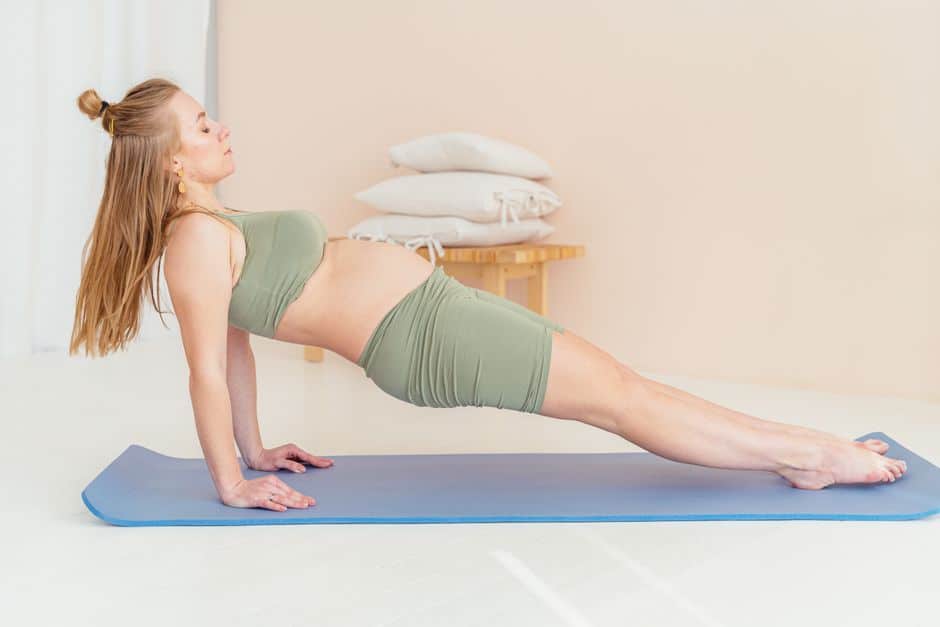
Nutritious meals, proper hydration, and progressive rehabilitation are vital pillars of postpartum well-being. Many mothers rebuild impressive core strength, cardiovascular health, and physical stamina through consistent strength workouts and guided pelvic floor physical therapy.
However, physical fitness has clear biological limitations when addressing certain post pregnancy body changes. Targeted core exercises can strengthen underlying muscle fibers, but they cannot retract loose, excess skin that has lost its internal elastic fibers. Similarly, abdominal crunches cannot repair a severely separated linea alba, and specialized workouts cannot replace lost glandular volume in deflated breasts. Understanding what physical exercise can accomplish, and what requires anatomical correction, prevents unnecessary self-blame and helps mothers make informed choices regarding post pregnancy body changes.
Exploring restorative care with Lotus Med Group
When lingering anatomical shifts compromise your daily comfort, posture, or personal body confidence, professional surgical contouring offers a safe and structured pathway forward. For mothers seeking a coordinated approach to address complex post pregnancy body changes, combination procedures are designed to correct structural concerns in a single operative plan.
A tailored surgical restoration frequently pairs abdominal wall repair with skin tightening and breast rejuvenation. When planning a mommy makeover in Tijuana, partnering with an established clinical team focused on safety, surgical precision, and balanced results is paramount. At Lotus Med Group, a board-certified plastic surgeon guide patients through comprehensive evaluations, addressing diastasis recti and restoring natural bodily contours with an emphasis on harmonious proportions. Through individualized planning and modern surgical facilities, Lotus Med Group offers a supportive setting for mothers ready to regain physical comfort and restore self-confidence after finishing their childbearing years.
Healthy strategies for long-term well-being
Supporting your physical health after childbirth requires a patient, holistic perspective that values function alongside aesthetic goals:
- Prioritize guided rehabilitation by working with a certified pelvic floor specialist to restore core pressure regulation and deep abdominal stability before attempting heavy lifting.
- Provide your body with nutrient-dense meals containing adequate lean proteins, vitamins, and healthy fats to support continuous tissue repair and cellular health.
- Allow adequate time for physical stabilization by waiting at least six months after concluding breastfeeding and achieving a steady body weight before pursuing elective surgical consultations for post pregnancy body changes.
- Foster open communication by sharing your recovery experiences with healthcare professionals, your partner, or supportive community groups who appreciate the practical realities of maternal health.
Living with post pregnancy body changes is a gradual process that reflects the extraordinary physical work of bringing life into the world. By honoring your personal timeline, recognizing the difference between functional healing and permanent structural changes, and seeking experienced guidance when needed, you can approach life after pregnancy feeling empowered, healthy, and confident in your body.